
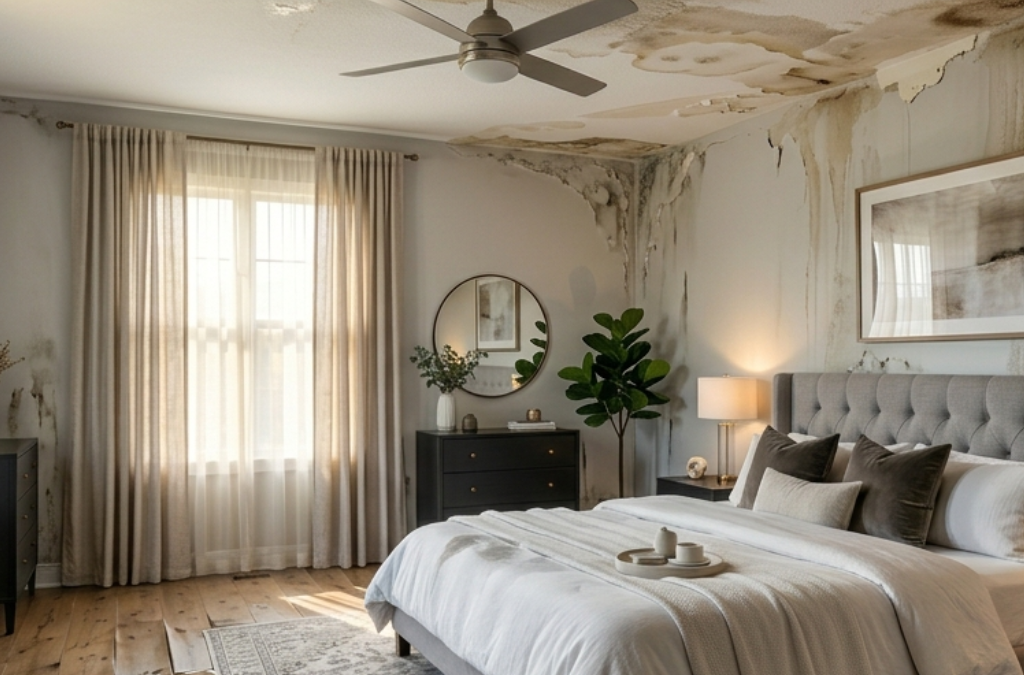
Water Damage Restoration in Alexandria services require immediate intervention, specialized containment protocols, and rigorous structural drying techniques to prevent secondary microbial growth. Property owners facing unexpected water intrusion rely on IICRC-certified restoration professionals to mitigate damage, extract standing water, and stabilize the indoor environment. Effective mitigation demands a technical, multi-phase approach utilizing advanced moisture detection tools, high-capacity dehumidification equipment, and precise sanitation methods. Disaster recovery in this historic region requires an understanding of local building materials, from older masonry structures in the city center to modern framing in surrounding developments. Professional restoration teams focus on minimizing structural degradation while prioritizing the health and safety of occupants through swift, data-driven action.
Understanding Alexandria’s Hydrological Challenges
Alexandria sits at the confluence of diverse environmental variables, creating specific challenges for residential and commercial property maintenance. Proximity to the Potomac River often leads to elevated water tables and periodic flood risks, particularly during the transition from late spring into summer. Heavy precipitation events frequently overwhelm municipal drainage systems, leading to basement flooding and foundation seepage in vulnerable residential neighborhoods. Moisture retention within structural cavities facilitates the rapid proliferation of mold spores and bacterial colonies that compromise indoor air quality within days of an initial water event.
Standard household methods fail to address the complexity of structural saturation, as industrial-grade extraction systems are required to penetrate sub-flooring, drywall, and insulation. Seasonal temperature fluctuations in Northern Virginia further impact restoration performance, influencing evaporation rates and the efficiency of dehumidification cycles. Consistent monitoring of humidity levels acts as a structural defense, preventing the secondary warping and wood rot caused by persistent dampness. Strategic restoration plans based on these local climate patterns ensure that Alexandria homes remain resilient and hygienic regardless of the severity of the initial intrusion.
Technical Certification and Restoration Methodology
IICRC (Institute of Inspection Cleaning and Restoration Certification) standards form the foundational framework for our operational methodology during water damage incidents. Technicians undergo intensive training to identify material permeability, measure moisture content through specialized instrumentation, and calculate the precise grain depression required for effective drying. This certification ensures every restoration project meets globally recognized benchmarks for quality and structural safety. Our workflow follows a highly disciplined, multi-step process engineered for maximum recovery:
- Emergency Assessment: Technicians evaluate the source of the water intrusion, the classification of the water (clean, grey, or black), and the category of damage.
- Safety Containment: Protective gear and safety protocols isolate affected areas to prevent the spread of contaminants through the building’s ventilation systems.
- Water Extraction: Commercial-grade, truck-mounted pumps remove standing water from floors, carpets, and hidden structural cavities.
- Moisture Mapping: Professional-grade moisture meters and thermal imaging cameras identify hidden pockets of saturation within walls and behind baseboards.
- Dehumidification: High-capacity LGR (Low Grain Refrigerant) dehumidifiers pull moisture from the air and building materials to stabilize the environment.
- Structural Drying: Industrial air movers create a controlled airflow pattern to accelerate the evaporation process across all affected surfaces.
- Sanitization: Antimicrobial treatments neutralize biological contaminants, preventing mold growth and odors in porous materials.
- Final Verification: Comprehensive moisture readings confirm that all materials have reached acceptable equilibrium moisture content levels before any reconstruction begins.
This systematic procedure eliminates the risk of hidden moisture pockets, which often result from substandard equipment or improper technician training. By managing the evaporation cycle with high-efficiency equipment, our team prevents the conditions that foster microbial growth, ensuring a safe environment for family members and employees.
Local Heritage, Regional Proximity, and Service Integration
Alexandria serves as a focal point for our regional disaster response operations, connecting historic neighborhood charm with modern technical recovery requirements. Our service footprint extends far beyond the immediate city limits, encompassing vital neighborhoods in Fairfax, Arlington, and McLean. Communities in Potomac, Burke, Woodbridge, and Springfield also receive consistent, reliable disaster mitigation, benefiting from our ability to handle diverse architectural styles, from centuries-old historic properties to contemporary multi-family office developments.
Landmarks play a critical role in our logistical planning and emergency service delivery. The George Washington Masonic National Memorial serves as a primary orientation point, guiding our rapid-response units through the city’s complex road network during critical events. Old Town Alexandria functions as the commercial heart of the region, where high-density footfall in retail spaces and restaurants necessitates an aggressive, consistent restoration schedule. The Potomac River waterfront defines the local risk profile, influencing the water extraction strategies we implement during every emergency. Coordination across these varied settings requires deep familiarity with local traffic patterns and building regulations, ensuring that our team maintains efficiency while delivering high-performance restoration results during high-pressure situations.
Navigating the Route to Emergency Restoration
Arrival at our facility from the George Washington Masonic National Memorial requires navigating the historic downtown corridor before transitioning to major logistical arteries for equipment transport. Drivers begin by heading south on Callahan Drive, moving away from the memorial grounds. A left turn onto King Street leads toward the major interchanges that define Northern Virginia transit. Drivers continue along this route to merge onto I-495 South/I-95 South, following clear signage toward Richmond and Tysons Corner to reach regional sites. The exit process involves taking Exit 176A to access Telegraph Road, a vital connector for regional emergency response. A quick left turn onto Telegraph Road transitions into a right turn onto Eisenhower Avenue, moving past the bustling commercial and government buildings that characterize this industrial corridor. Our operational hub at 4700 Eisenhower Ave Suite 108, Alexandria, VA 22304, stands as a dedicated center for disaster mitigation, where our team prepares the specialized dehumidification and extraction equipment necessary for your immediate restoration needs.
Technical FAQ: Restoration Excellence
Why is immediate response critical for water damage?
Mold growth begins within 24 to 48 hours of saturation, making rapid extraction essential.
Does IICRC certification ensure better restoration results?
Certified technicians follow rigorous industry standards for safety, efficacy, and structural protection.
Are antimicrobial agents safe for indoor environments?
Professional-grade sanitizers are designed to be effective against bacteria while remaining safe once dry.
How does humidity affect the drying process?
High indoor humidity prevents materials from releasing trapped moisture, slowing the overall drying timeline.
Can structural framing be saved after water intrusion?
Professional drying techniques can successfully save framing if mitigation starts before significant wood rot occurs.
What is the difference between extraction and dehumidification?
Extraction removes liquid water, while dehumidification removes moisture from the air and building materials.
Are hidden moisture pockets dangerous?
Trapped water causes structural warping, mold growth, and long-term health risks if left unaddressed.
Does insurance cover professional restoration?
Most homeowners’ policies include coverage for sudden, accidental water damage, though professional documentation is required.
How is mold prevented during restoration?
Properly controlled humidity levels and immediate sanitization prevent the conditions necessary for mold to flourish.
What distinguishes professional mitigation from DIY?
Professional-grade equipment provides the necessary suction and moisture removal capacity that residential units cannot match.
The Mean Green Carpet Clean maintains a focus on technical superiority and local service, operating from our headquarters at 4700 Eisenhower Ave Suite 108, Alexandria, VA 22304, USA.
Industry Glossary
| Term | Definition |
| LGR Dehumidifier | A high-efficiency machine designed to remove moisture even in low-humidity conditions. |
| IICRC | The governing body that sets the standard for professional restoration training and certification. |
| Equilibrium Moisture Content | The state where a material has reached a balance with the moisture in the surrounding air. |
| Porous Material | Surfaces like drywall or carpet that absorb water and harbor contaminants. |
| Secondary Damage | Structural or material degradation that occurs after the initial water intrusion. |