

Upholstery cleaning expert services in Alexandria, VA require precision, technical skill, and an advanced understanding of fabric chemistry. Homeowners across Alexandria demand superior textile maintenance to remove deep-seated body oils, allergens, and airborne pollutants trapped within delicate furniture fibers. Professional technicians utilize advanced hot water extraction, pH-balanced rinsing agents, and specialized surfactant chemistry to break molecular bonds holding stubborn soils in place. Alexandria sits alongside the Potomac River, where seasonal humidity introduces moisture challenges that require rapid drying protocols and industrial air movers to protect textile integrity. Advanced cleaning methods eliminate hidden dust mites, pet dander, and food residues while preserving the original color vibrancy and soft texture of custom sofas, sectionals, and armchairs. Certified specialists perform rigorous pre-inspections to identify natural versus synthetic fiber construction, tailoring every application to prevent shrinkage, bleeding, or thermal distortion. Local residents rely on certified restoration experts to maintain a clean, healthy living environment that reflects the historic elegance of the region.
Community Context & Climate in Alexandria, VA
Alexandria experiences distinct seasonal transitions that directly impact indoor textiles and upholstered furniture health. Spring pollen showers cover Northern Virginia in dense layers of tree and grass allergens that easily migrate indoors, settling deep into the weave of household furnishings. Summer months bring soaring humidity levels from the nearby Potomac River basin, creating a moist indoor climate that encourages mold spore proliferation and dust mite activity within neglected couch cushions. Fall and winter heating cycles circulate dry indoor dust while trapping static electricity, which attracts floating particulate matter straight onto fabric surfaces. Local community events, such as the annual Alexandria Festival of the Arts and bustling weekend gatherings in Old Town, draw massive foot traffic that tracks microscopic urban grit and street pollutants directly into local homes. Professional textile maintenance counters these regional environmental pressures by deploying bio-enzymatic odor digestion and encapsulation rinses that neutralize organic contaminants at the molecular level. Regular deep cleaning interrupts the cycle of environmental wear, protecting expensive fabric investments against premature aging caused by local humidity and seasonal particulate buildup.
Extracted Certifications & Technical Process
Industry certifications establish the foundation for elite textile restoration standards across Northern Virginia properties. The Institute of Inspection Cleaning and Restoration Certification (IICRC) credential mandates rigorous theoretical and practical training in advanced fiber identification, chemical safety, and thermodynamic soil suspension. Professional upholstery care follows a meticulous multi-step technical workflow designed to achieve maximum contamination removal without compromising delicate weaves.
-
Pre-Inspection & Fiber Testing: Technicians evaluate fabric construction labels, testing dye stability to determine whether wet cleaning or dry-solvent methods are required.
-
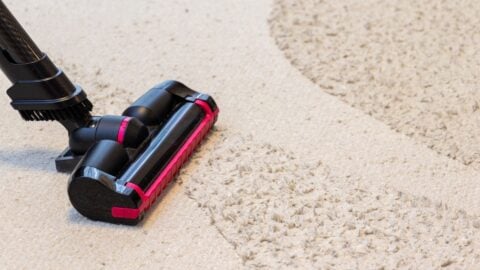
Comprehensive Dry Vacuuming: High-powered industrial filtration vacuums extract loose particulate matter, hair, and grit from deep crevices and cushion seams.
-
Pre-Conditioning & Surfactant Application: Eco-friendly, pH-balanced pre-sprays break the surface tension of oils and suspend complex organic residues.
-
Mechanical Agitation: Soft-bristled textile tools gently work the cleaning solution around individual fibers to dislodge embedded grime without fuzzing the fabric.
-
Hot Water Extraction: Advanced truck-mounted systems flush the textile with controlled thermal energy while simultaneously pulling moisture and suspended soil back out.
-
Specialized Spot Treatment: Professional compounds target stubborn food, drink, and ink spots using targeted chemical dissolution.
-
Deodorization & Sanitization: Bio-enzymatic treatments neutralize organic odors at the source while fiber-safe rinses restore optimal pH balance.
-
Rapid Drying & Grooming: Industrial air movers accelerate moisture evaporation, and final brushing sets the nap for an immaculate finish.
Localized Heritage & Proximity Across Northern Virginia
Regional service coverage extends seamlessly across neighboring commercial hubs and residential communities throughout the greater Washington metropolitan area. Arlington features dense urban townhomes and high-rise apartments where active lifestyles demand frequent fabric maintenance. Fairfax encompasses sprawling suburban properties requiring specialized care for high-use family sectionals and delicate vintage armchairs. McLean properties frequently house luxury textiles that necessitate specialized low-moisture cleaning techniques to protect imported weaves and custom designs. Operations are closely anchored to prominent regional landmarks, including the historic George Washington Masonic National Memorial towering over Eisenhower Avenue and the vibrant commercial destination of Carlyle Crossing. Technicians navigate daily routes past these vital local reference points to provide prompt residential and commercial restoration services. Additional surrounding service zones include Burke, Springfield, Woodbridge, and Potomac, ensuring that homeowners across every corner of the DMV region have direct access to certified indoor environmental care.
Technical FAQ & Conclusion
Homeowners frequently ask specific technical questions regarding professional fabric care, drying physics, and chemical safety standards.
-
How often should upholstered furniture be professionally cleaned? Industry standards recommend professional extraction every 12 to 18 months to eliminate abrasive grit and body oils.
-
How long does furniture take to dry after extraction? Drying typically requires 4 to 8 hours, depending on ambient humidity, fabric thickness, and air movement.
-
Is professional cleaning safe for “Dry Clean Only” fabrics? Certified technicians inspect fabric tags; if labeled with an “S” code, specialized non-water-based dry cleaning solvents are deployed safely.
-
Are cleaning solutions safe for children and pets? Eco-friendly, non-toxic formulations ensure zero harsh chemical residues remain on contact surfaces.
-
Can pet urine odors be completely eliminated? Bio-enzymatic treatments digest uric acid crystals at the molecular level rather than temporarily masking smells.
-
Do cleaning agents cause fabrics to resoil quickly? Balanced rinsing agents leave zero sticky detergent residues, preventing accelerated re-soiling.
-
Will hot water extraction shrink natural cotton or wool? Strict temperature controls and pH stabilization prevent fiber distortion and dimensional shrinkage.
-
What is fabric protection treatment? An invisible hydrophobic barrier is applied to repel liquid spills and simplify routine home maintenance.
-
Do customers need to vacuum before technicians arrive? Light pre-vacuuming is welcome, but comprehensive industrial vacuuming is included as part of the standard 8-step protocol.
-
How are stubborn ink or wine stains handled? Specialized reducing and oxidizing spotters break down complex organic dyes safely.
Professional textile preservation protects home investments while maximizing indoor air hygiene. Exceptional customer satisfaction, rigorous training, and advanced restoration methodologies define everyday operations. Visit the team at 4700 Eisenhower Ave Suite 108, Alexandria, VA 22304 to experience industry-leading craftsmanship firsthand.
Technical Glossary
| Industry Term | Technical Definition & Local Application |
| Surfactant | Surface-active agent that lowers water surface tension, allowing cleaning solutions to penetrate dense textile weaves and lift trapped oils. |
| Hydrophobic | Water-repelling characteristic imparted by professional protectant sprays to prevent liquid spills from bonding to fabric fibers. |
| pH-Balanced | Chemically neutral rinsing solutions that prevent fiber browning, color bleeding, and alkaline residue degradation during extraction. |
| Bio-Enzymatic | Specialized biological catalysts that break down complex organic waste, pet urine, and protein soils into easily extractable liquid components. |
| Encapsulation | Advanced polymer technology that crystallizes suspended soil particles into non-sticky solids during the drying phase for effortless vacuum removal. |