

What Makes Carpet Cleaning in Alexandria Different?
A local carpet cleaning expert understands that Alexandria, VA carpets deal with more than everyday dust and spills. Seasonal pollen, tracked-in soil, rain, mud, pet activity, and heavy foot traffic can gradually push debris deeper into carpet fibers. Homes and businesses throughout Alexandria also have very different flooring needs, from wall-to-wall residential carpet to high-traffic commercial installations.
Effective carpet cleaning starts with understanding those conditions rather than treating every carpet the same way. Fiber type, carpet construction, soil level, staining, moisture conditions, and the age of the installation can all influence the appropriate cleaning approach.
Professional cleaning can help remove accumulated soil that routine vacuuming cannot reach while improving the appearance and extending the useful life of carpet.
How Alexandria’s Climate Affects Carpet
Alexandria experiences four distinct seasons, and each can introduce different contaminants into a building.
Spring and summer can bring pollen and outdoor debris into homes through shoes, clothing, pets, and open doors. During rainy periods, moisture and mud can quickly create additional traffic-lane soil around entrances and hallways.
Fall introduces leaves, dirt, and other outdoor debris, while winter can bring moisture and road-treatment residues indoors. These materials can become embedded in carpet when people repeatedly walk across the same areas.
Indoor conditions matter as well. When windows remain closed during colder or particularly humid periods, carpets can become an important collection point for dust and other particulate matter.
A practical maintenance plan should therefore consider both the building’s traffic patterns and the seasonal conditions affecting it.
What a Professional Carpet Cleaning Process Looks Like
Professional carpet cleaning is more than simply applying water and extracting it. A properly planned service typically begins with an inspection.
1. Carpet Inspection
The technician evaluates the carpet’s fiber type, construction, overall condition, staining, heavily trafficked areas, and potential problem spots.
This step helps determine which cleaning method and products are appropriate. Not every carpet should receive the same treatment.
2. Thorough Vacuuming
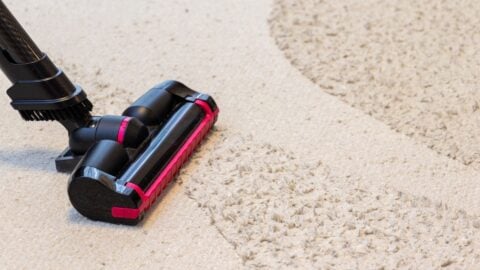
Dry soil is removed before the primary cleaning process. This is especially important in high-traffic areas where loose particles may have accumulated between carpet fibers.
Regular vacuuming remains an important part of carpet maintenance, but professional cleaning addresses soils that routine household equipment may not fully remove.
3. Pre-Treatment
Appropriate cleaning solutions may be applied to areas containing heavier soil or specific stains.
Pre-treatment helps loosen oils and particulate soil before the extraction stage. The solution selected should be compatible with the carpet and the type of contamination being addressed.
4. Agitation When Appropriate
Some carpets benefit from controlled mechanical agitation. This helps distribute cleaning solutions and loosen soil that has become attached to the fibers.
The technique should be selected according to carpet construction rather than applied automatically to every installation.
5. Hot Water Extraction
Hot water extraction uses heated water and vacuum recovery to remove suspended soil and cleaning solution from the carpet.
The objective is not simply to make the carpet wet. Effective extraction removes as much suspended material and moisture as practical while limiting unnecessary water use.
6. Post-Cleaning Inspection
After cleaning, the technician should inspect the results and identify any areas that require additional attention.
Carpet should also be positioned to dry properly. Adequate airflow and reasonable indoor conditions can help shorten drying time.
Why High-Traffic Areas Need More Attention
Not every section of a carpet receives the same amount of wear.
Entryways, hallways, stairs, living rooms, office corridors, and areas around frequently used furniture can accumulate considerably more soil than low-traffic sections.
Repeated foot traffic can also push dry particles farther into the carpet. Those particles can contribute to an abrasive effect when repeatedly walked over, potentially accelerating visible wear.
For that reason, professional cleaning should prioritize traffic patterns instead of treating every square foot identically.
A local carpet cleaning expert can identify these patterns during inspection and recommend a maintenance schedule based on actual use.
Managing Common Carpet Problems in Alexandria Homes
Tracked-In Dirt
Outdoor soil is one of the most common causes of carpet discoloration around entrances.
A combination of quality entry mats, a shoes-off policy, frequent vacuuming, and periodic professional cleaning can reduce the amount of soil reaching carpeted areas.
Pet-Related Soil and Odors
Pets can introduce hair, dander, outdoor debris, and other contaminants into carpet.
Surface cleaning may improve appearance while leaving contamination deeper within the carpet system. Professional inspection can help determine whether standard cleaning is appropriate or whether affected areas require additional treatment.
Food and Beverage Stains
Fresh spills are generally easier to address than old, set-in stains.
Blotting rather than aggressively rubbing a spill can help prevent the affected area from spreading. Homeowners should also avoid applying multiple household chemicals without knowing whether they are compatible with the carpet.
High-Traffic Wear
Darkened traffic lanes are often caused by accumulated soil combined with repeated compression and wear.
Professional cleaning can remove removable soil, although cleaning cannot reverse permanent fiber damage or physical wear.
Carpet Cleaning for Alexandria Businesses
Commercial carpet can experience substantially more traffic than residential flooring.
Offices, retail locations, professional practices, apartment buildings, and other facilities may have concentrated traffic around entrances, reception areas, corridors, elevators, and shared spaces.
For businesses, carpet maintenance is not only about appearance. A consistent cleaning schedule can help maintain a professional environment and prevent heavily soiled areas from becoming increasingly difficult to maintain.
Commercial cleaning plans should account for:
- Daily foot traffic
- Building occupancy
- Entrance conditions
- Carpet type
- Spill frequency
- Existing stains
- Cleaning windows
- Drying requirements
- Seasonal changes
Scheduling cleaning outside peak operating hours can also reduce disruption for employees, customers, and visitors.
How Often Should Carpet Be Professionally Cleaned?
There is no single schedule that works for every property.
A lightly used home may require less frequent professional cleaning than a household with children and pets. Similarly, a low-traffic office may require less frequent service than a busy commercial facility.
Factors that can influence cleaning frequency include:
- Number of occupants
- Pets
- Children
- Indoor footwear habits
- Commercial foot traffic
- Carpet color and construction
- Outdoor soil conditions
- Previous staining
- Indoor air and moisture conditions
Rather than waiting until carpet looks heavily soiled, property owners can use a preventive maintenance schedule based on traffic and actual carpet condition.
How Homeowners Can Keep Carpet Cleaner Between Services
Professional cleaning works best when combined with consistent daily and weekly maintenance.
Vacuum High-Traffic Areas Regularly
Focus on entryways, hallways, living areas, and other sections that receive frequent use.
Use Entry Mats
Quality mats can capture a meaningful amount of outdoor soil before it reaches carpet.
Address Spills Promptly
The longer a spill remains on a carpet, the more difficult it may become to remove completely.
Avoid Over-Wetting
Excessive moisture can create longer drying times and may contribute to problems when carpet or padding remains damp.
Don’t Overuse Cleaning Products
More cleaning solution does not necessarily mean better results. Excess product can leave residue if it is not properly removed.
Schedule Professional Cleaning
Routine professional service can address accumulated soil that regular vacuuming cannot remove.
Choosing a Carpet Cleaning Professional in Alexandria
When comparing carpet cleaning providers, homeowners and property managers should look beyond promotional claims.
Useful questions include:
- What cleaning method will be used?
- Will the carpet be inspected before cleaning?
- Are products selected according to carpet type?
- How are heavily soiled areas treated?
- How is moisture controlled during extraction?
- What should customers expect regarding drying time?
- Is the company experienced with both residential and commercial carpet?
- What happens if a stain requires additional treatment?
Clear answers to these questions can help property owners choose a provider based on process and experience rather than price alone.
Why Local Experience Matters
A provider serving Alexandria and surrounding Northern Virginia communities can develop practical familiarity with the types of properties, traffic patterns, and seasonal conditions found throughout the service area.
Alexandria includes historic homes, townhouses, condominiums, apartments, offices, retail spaces, and other property types. Each can present different carpet-cleaning requirements.
Local service also makes it easier to build a consistent maintenance relationship rather than treating professional carpet cleaning as a one-time emergency.
The goal should be straightforward: remove accumulated soil, address appropriate stains and odors, protect the carpet from unnecessary wear, and establish a maintenance routine that fits the property.
Frequently Asked Questions
What is the best professional method for cleaning carpet?
The appropriate method depends on carpet construction, fiber type, soil conditions, and the property’s requirements. Hot water extraction is one commonly used professional method, but the cleaning approach should be selected after inspection.
How long does professionally cleaned carpet take to dry?
Drying time varies based on the amount of moisture used, extraction effectiveness, carpet and padding construction, airflow, temperature, and indoor humidity. Good airflow can help accelerate drying.
Can professional carpet cleaning remove pet odors?
Professional cleaning can address many odor sources associated with surface and embedded contamination. However, persistent odors may require additional inspection to determine whether the source extends into the padding or subfloor.
Can old carpet stains be completely removed?
Not always. Results depend on the substance, how long it has been present, previous cleaning attempts, and whether the carpet fibers have been permanently altered or damaged.
Does professional carpet cleaning damage carpet?
Properly performed cleaning should account for carpet construction, fiber type, and condition. Problems are more likely when inappropriate chemicals, excessive agitation, excessive moisture, or unsuitable temperatures are used.
How can Alexandria homeowners reduce carpet soil?
Entry mats, regular vacuuming, prompt spill treatment, and removing outdoor footwear before walking across carpet can all reduce the amount of soil entering the home.
Where is The Mean Green Carpet Clean located?
The Mean Green Carpet Clean is listed at 4700 Eisenhower Ave, Suite 108, Alexandria, VA 22304.
Conclusion
Carpet in Alexandria has to withstand year-round foot traffic, outdoor soil, seasonal debris, spills, pets, and everyday household activity. Keeping it in good condition requires more than occasional surface cleaning.
A local carpet cleaning expert can evaluate the carpet’s condition, identify high-traffic and problem areas, select an appropriate cleaning process, and help establish a maintenance schedule suited to the property.
For Alexandria homeowners and businesses, combining regular vacuuming and preventive care with professional cleaning can help maintain cleaner-looking carpets and protect the investment made in the flooring.