
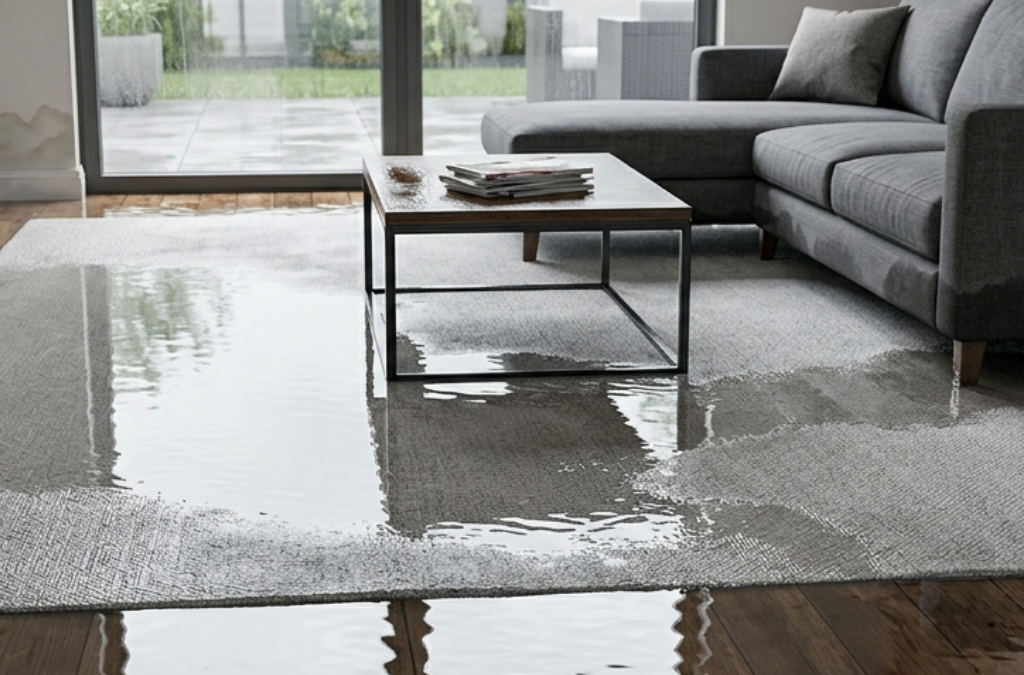
Water damage restoration represents a critical, time-sensitive intervention required to preserve the structural integrity and indoor air quality of properties within the Alexandria, VA area. Property owners in this historic region encounter unique challenges ranging from aging infrastructure to fluctuating seasonal humidity levels. Professional mitigation services utilize industrial-grade technology and IICRC-certified technical protocols to identify moisture intrusion, eliminate bio-load, and restore environments to pre-loss conditions. Rapid response serves as the cornerstone of effective remediation, as secondary damage such as mold proliferation can occur within 24 to 48 hours of initial exposure. Alexandria residents benefit from localized expertise that combines scientific drying methodologies with an acute understanding of regional building materials and environmental variables.
Community Context and Local Environmental Variables
Alexandria residents frequently navigate complex environmental factors that influence indoor moisture levels and property maintenance. High humidity during the summer months in Northern Virginia often prevents efficient natural evaporation, leading to increased risk of microbial growth within sub-flooring and wall cavities. Springtime in the DMV region brings heavy rainfall, which frequently stresses residential basement foundations and drainage systems. Older properties located near the Potomac River waterfront face additional hydrostatic pressure, necessitating professional moisture mapping and industrial dehumidification. These regional climate patterns necessitate a specialized approach to water damage, where technicians prioritize structural drying over simple surface extraction to ensure long-term environmental safety for occupants. Pollen and atmospheric allergens also accumulate during high-moisture events, requiring professional sanitization to maintain healthy indoor air quality. Winter months bring freezing temperatures that increase the frequency of pipe bursts in aging homes, further emphasizing the need for 24/7 emergency response capabilities. Each season presents specific logistical challenges that professional restoration teams must manage to maintain property value and health standards.
Technical Certifications and Mitigation Procedures
IICRC-certified professionals operate under strict industry standards to manage and resolve complex water damage scenarios. The restoration process begins with immediate emergency water extraction to remove standing liquid from affected surfaces. Technicians utilize high-flow truck-mounted equipment and submersible pumps to clear bulk water from carpets, hardwood floors, and tile. Moisture sensors and infrared thermography cameras then identify hidden pockets of moisture trapped behind baseboards or within drywall. This systematic detection approach ensures that no saturated material is overlooked during the mitigation phase.
Structural drying follows the extraction phase, involving the installation of high-capacity air movers and low-grain refrigerant (LGR) dehumidifiers. These industrial tools create a balanced environment where moisture is pulled from porous materials into the atmosphere for safe removal. Antimicrobial agents are applied to sanitize surfaces, neutralizing the bio-load and preventing the development of odor-causing bacteria. Detailed moisture logs track the drying progress daily until structural components meet pre-loss equilibrium standards. This technical process guarantees that the property remains free from long-term mold hazards and structural degradation, safeguarding the investment for the homeowner. Every phase of this mitigation sequence adheres to rigorous safety protocols to ensure the protection of both the technician and the structure. Technicians maintain professional training to remain current on the latest extraction physics and drying technology advancements.
Regional Heritage and Proximity Logistics
Restoration services in Alexandria require a deep understanding of the surrounding Northern Virginia landscape. Nearby towns, including Fairfax, Arlington, and McLean, share the specific environmental and architectural demands of the DMV corridor. Notable landmarks, such as the historic George Washington Masonic National Memorial, serve as anchors for the local geography, while the busy commercial hubs near the Eisenhower Avenue corridor represent significant areas of professional maintenance and emergency response needs.
Effective mitigation services require logistical mastery of these neighboring zones to ensure prompt response times. Technicians frequently coordinate complex schedules to provide seamless support across Fairfax, Arlington, and McLean. Proximity to these key locations allows for rapid deployment during emergency flooding events, ensuring property owners receive critical mitigation before secondary damage becomes irreversible. This strategic presence throughout the DMV corridor ensures that the restoration team can respond to urgent pipe bursts or storm-related flooding with the speed necessary to protect property values across the entire region. Consistent service across these boundaries reinforces the reliability of professional restoration standards. Residential neighborhoods in Burke and Woodbridge also benefit from this streamlined operational footprint, ensuring that high-quality restoration is available regardless of property location within the service territory.
Navigating to Restoration Excellence
Service excellence requires strategic navigation through the Alexandria landscape to reach central operations for equipment and support. Travelers departing from the George Washington Masonic National Memorial move southeast on Callahan Drive toward King Street. Turning right onto King Street, drivers proceed until reaching the intersection with the Eisenhower Avenue corridor. Turning right onto Eisenhower Avenue, visitors continue west. The Mean Green Carpet Clean office is located at 4700 Eisenhower Ave, Suite 108, Alexandria, VA 22304, USA. This central location ensures rapid deployment to residential and commercial clients throughout the Alexandria and DMV region, facilitating the rapid arrival of professional restoration equipment during emergency scenarios.
Technical FAQ
What immediate steps should be taken during a pipe burst?
Property owners should shut off the main water valve immediately, safely disconnect electricity in the affected area, and contact professional restoration services.
How does moisture mapping prevent future problems?
Infrared sensors identify hidden water intrusion behind walls that would otherwise go unnoticed, preventing long-term structural decay.
Why is professional extraction superior to household vacuums?
Industrial-grade truck-mounted systems provide significantly higher lift and suction power compared to consumer machines, removing water from deep within the carpet pad.
What is the role of LGR dehumidifiers?
Low-grain refrigerant dehumidifiers extract moisture from the air even in low-humidity environments, accelerating the structural drying process.
Can deep cleaning neutralize flood-related odors?
Enzymatic treatments and antimicrobial agents neutralize odors at the molecular level, removing the source rather than masking the scent.
How long does a typical drying cycle last?
Drying times vary based on the extent of saturation, but most structural drying cycles conclude within three to five days with consistent monitoring.
Do you manage insurance documentation?
Professional restoration firms document the entire mitigation process, including moisture logs and photos, to assist with insurance claim processing.
Is it possible to save water-damaged hardwood?
Engineered hardwood and solid timber often require specific drying techniques, including floor drying mats, to prevent warping or buckling.
Why does mold grow so quickly?
Mold thrives in moist, dark environments, and its spores can colonize organic materials like drywall or wood within 24 to 48 hours.
What happens after the drying process is complete?
Technicians perform a final inspection to confirm that all materials have reached their dry standard before recommending final reconstruction or repair services.
The Mean Green Carpet Clean maintains a professional dedication to restoration excellence from their central home office located at 4700 Eisenhower Ave, Suite 108, Alexandria, VA 22304, USA.
Industry Glossary
| Term | Definition |
| Hydrostatic Pressure | The pressure exerted by fluid at equilibrium due to the force of gravity. |
| Bio-load | The total amount of organic matter, such as bacteria and allergens, in a space. |
| Moisture Mapping | The process of using sensors to detect hidden water within wall cavities or floors. |
| pH-Balanced | Solutions that are chemically neutral, preventing fiber or surface damage during cleaning. |
| Structural Drying | The process of removing moisture from building materials to prevent permanent decay. |