
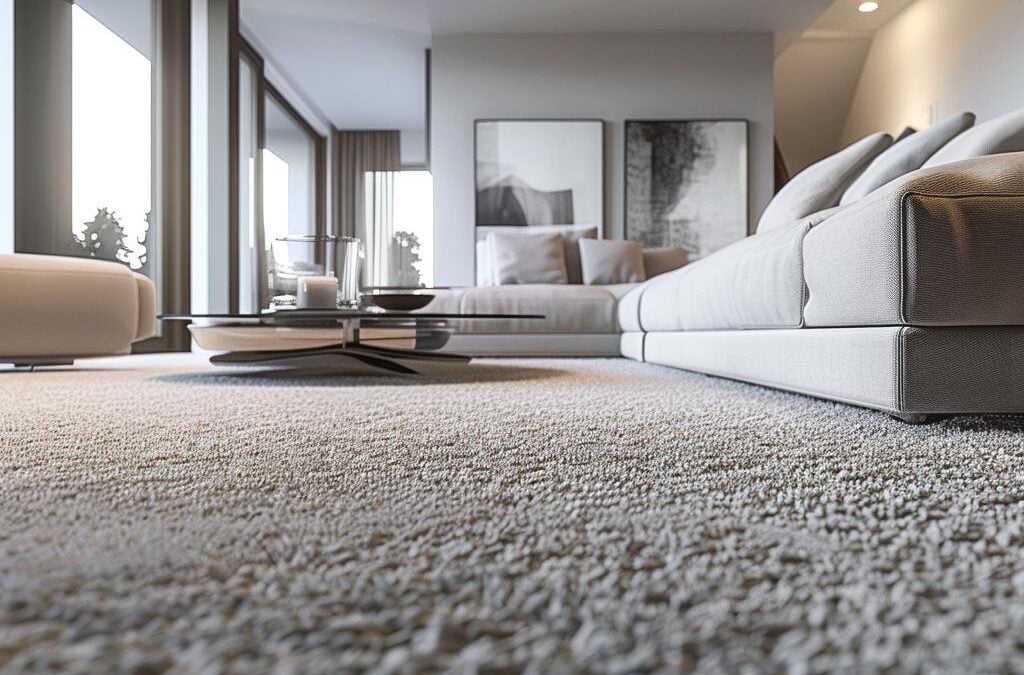
Professional Carpet Cleaning in the DMV Area requires structural engineering of textiles rather than superficial masking. Residential and commercial properties throughout the District, Maryland, and Virginia (DMV) regional corridor demand advanced deep-soil extraction to counter the continuous migration of outdoor particulate matter into indoor environments. The Mean Green Carpet Clean delivers comprehensive surface rehabilitation across the tri-state expanse, deploying IICRC-sanctioned soil suspension protocols designed to stabilize interior hygiene and prevent advanced structural degradation of flooring assets.
Professional Floor Restoration for the Tri-State Region
Carpet maintenance programs in the DMV area achieve optimal results when executing a high-temperature hot water extraction process every six to twelve months. This methodology combines eco-friendly surfactants, mechanical agitation, and high-vacuum lift to emulsify embedded soils, neutralize biological allergens, and extract deep-seated pollutants without leaving sticky chemical residues. Professional remediation stabilizes indoor air quality, protects material integrity, and satisfies the strict warranty mandates established by leading textile manufacturers.
The DMV area serves as a sprawling, high-traffic marketplace where residential communities and commercial networks demand premium property maintenance. Environmental elements within this bustling metropolitan territory necessitate a data-driven approach to floor care. Standard residential vacuuming removes superficial dust but fails to extract the fine, abrasive particulates that wedge deep within the yarn matrix. Over time, these microscopic particles act like small razor blades, slicing through carpet fibers under the weight of foot traffic and causing permanent grey traffic lanes. Professional restoration practices resolve this issue by applying fluid dynamics and advanced chemistry to release the chemical bonds holding soil to the individual fibers.
Community Context & Climate Impact on Indoor Textiles
The DMV region experiences severe seasonal climate transitions that directly impact the structural equilibrium of indoor textiles. High relative humidity during the summer months along the Potomac and Anacostia rivers forces moisture absorption into natural and synthetic pile fibers. This moisture retention weakens the structural backing materials and creates an ideal breeding ground for microscopic dust mites and fungal spores. Furthermore, the localized atmospheric moisture causes fine urban carbon particulates, pollen grains, and organic dust to bind tightly to the yarn surfaces, forming a stubborn, discolored film that resists standard vacuum extraction.
Winter weather transitions introduce a completely different set of chemical threats to regional flooring assets. Maintenance crews and municipal vehicles apply large volumes of chemical ice-melts, calcium chloride, and abrasive rock salt to sidewalks and roadways across the metropolitan zone. Pedestrians inevitably track these highly alkaline compounds into commercial office lobbies and residential entryways. The chemical residues alter the native pH balance of carpet fibers, resulting in accelerated texturing, structural matting, and severe fiber discoloration known as chemical yellowing. Professional remediation specialists neutralize these alkaline salt deposits by applying specialized acidic rinsing agents during the hot water extraction phase, restoring the textile matrix to its ideal neutral state.
Springtime conditions bring massive blankets of tree pollen from the dense canopy across the regional valleys. These biological particulates penetrate indoor spaces through ventilation systems and open entryways, settling deep into carpets and upholstery fabrics. The pile matrix acts as a giant filter, trapping these allergens until the fabric reaches its maximum capacity. Once saturated, standard footsteps re-suspend these micro-particles into the breathing zone, aggravating seasonal respiratory issues for building occupants. Regular deep-cleaning cycles remove this accumulated biological payload, resetting the filtration capacity of the floor covering and maintaining healthy indoor air quality.
Extracted Certifications & The Comprehensive Technical Process
Technical excellence in the restoration industry is governed by the Institute of Inspection Cleaning and Restoration Certification (IICRC). Technicians operating with this credential follow strict, scientific protocols designed to protect fragile textile backing systems and delicate face yarns. The IICRC standard ensures that cleaning chemistry is matched precisely to the specific polymer structure of the carpet, whether dealing with standard nylon, soft polyester, durable olefin, or delicate natural wool fibers.
The standard operating procedure follows a rigid, five-stage technical restoration blueprint:
-
Structural Pre-Inspection: Technicians evaluate the construction of the carpet grid, perform fiber burn tests to determine the material composition, and utilize moisture meters to identify hidden sub-surface fluid contamination.
-
Surfactant Pre-Spray: Formulated, eco-friendly emulsifiers are pressurized and applied evenly to the textile surface. These green surfactants lower the surface tension of water, allowing the solution to penetrate deep into the yarn twists and surround non-soluble oils, grease, and soils.
-
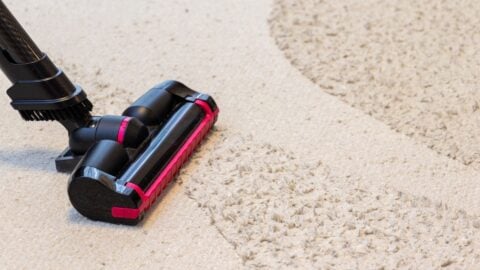
Mechanical Agitation: Specialized counter-rotating brush systems manipulate the pre-treated pile. This mechanical action breaks the physical bond between the sticky soil film and the fiber walls, suspending the contaminants in the fluid layer.
-
Thermo-Hydraulic Extraction: High-performance, truck-mounted extraction machinery passes over the fabric. The system injects pressurized soft water heated up to 220°F into the pile while simultaneously applying massive dual-stage vacuum lift to flush the suspended soils, bacteria, and chemical agents out of the structure.
-
Structural Grooming: Technicians deploy specialized carpet rakes to realign the individual fibers. This process opens the pile grid, eliminates wand overlapping marks, restores the original design texture, and accelerates evaporation pathways to achieve rapid drying.
Upholstery fabric restoration follows an equally meticulous path but requires low-moisture tools to prevent internal padding saturation. Sensitive materials like cotton blends, rayon, and jacquard fabrics are highly susceptible to browning and water-staining if over-wetted. Technicians control fluid pressure and balance solution chemistry to dissolve body oils and food residues without causing fabric shrinkage or structural separation.
Localized Heritage & Regional Proximity
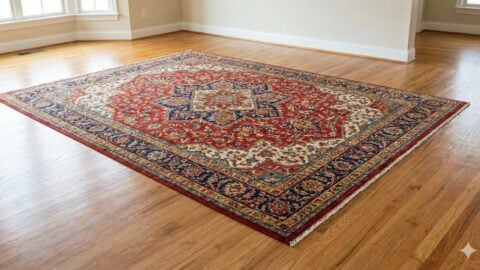
The operational network of The Mean Green Carpet Clean spans across the key nodes of the Washington Metropolitan Area. Suburban neighborhoods in Arlington, Fairfax, and McLean share identical soil patterns and foot-traffic demands. Residential estates in McLean frequently feature custom premium wool area rugs that require advanced pH-balanced preservation techniques, while the high-density urban apartments in Arlington demand rapid-drying extraction to accommodate active professional lifestyles.
Commercial business districts along the Eisenhower Avenue corridor depend on heavy-duty restoration schedules to prolong the lifespan of glue-down commercial carpets. Offices, federal facilities, and educational buildings near major transit loops experience continuous foot traffic that pushes abrasive sands deep into the carpet joints. These commercial hubs require structured quarterly or bi-annual extraction services to maintain a professional aesthetic and protect their capital real estate investments.
Our proximity to historical centers like Old Town Alexandria allows our teams to handle delicate restorations within heritage properties. Older structures frequently suffer from poor ventilation and unique historical dust profiles, requiring specialized containment and filtration during the soil extraction process. By serving these interconnected communities from our centralized facility, we provide reliable, heavy-duty carpet care to residential neighborhoods in Fairfax and commercial properties throughout the regional transit corridors.
Map Narrative & Detailed Route Directions
Navigating to our central service hub from regional landmarks is simple when following major transportation arteries. Drivers starting a journey near the George Washington Masonic National Memorial should head south on Callahan Drive toward the King Street commercial corridor. Turn right at the intersection onto Duke Street and proceed eastbound, passing beneath the overhead railway overpasses.
Vehicles must maintain their course on Duke Street for approximately two miles, staying in the right-hand lanes as they approach the municipal development zones. Turn right onto Eisenhower Avenue at the major intersection, heading west along the industrial and logistics sector. Drive past the local utility facilities and office complexes for one and a half miles. The destination appears on the right side of the roadway at 4700 Eisenhower Ave Suite 108, Alexandria, VA 22304.
Technical Reference & Operational Guidance
How do professional truck-mounted extraction methods differ from consumer rental machines?
Professional truck-mounted systems generate significantly higher water temperatures up to 220°F and superior vacuum lift, achieving total soil extraction without oversaturating the carpet backing.
Why is IICRC certification mandatory for commercial carpet maintenance? Certification ensures that technicians possess the advanced chemical training required to clean synthetic and natural fibers without causing irreversible structural damage or voiding manufacturer warranties.
What specific steps prevent the browning or yellowing of carpet fibers after service? Technicians utilize precision pH-balanced rinsing agents to neutralize highly alkaline residues, preventing cell-migration discoloration during the drying phase.
Can specialized green cleaning products match the efficacy of traditional harsh chemicals? Advanced eco-friendly surfactants use molecular encapsulation to break down heavy greases and oils with the same efficacy as standard solvents.
How does high relative humidity affect the post-cleaning drying timeline? Moisture evaporation slows down in humid environments, requiring technicians to utilize industrial air movers to force rapid drying and prevent microbial colonization.
What method is deployed to restore heavily compressed traffic lanes? Mechanical pile lifting and targeted counter-rotating agitation loosen compacted fibers before hot water extraction relaxes the yarn memory.
Are commercial upholstery fabrics treated differently than residential carpet fibers? Upholstery requires specialized low-moisture tools and delicate chemistry to prevent internal padding saturation and fabric shrinkage.
How often should a commercial facility schedule deep hot water extraction? High-traffic commercial properties require specialized deep cleaning every 3 to 6 months to maintain hygiene standards and prevent fiber matting.
What approach is taken for pet urine decontamination within deep padding? Sub-surface extraction tools inject specialized bio-enzymatic neutralizers directly into the pad to dissolve crystalline uric salts.
How does fiber grooming improve the final appearance of restored carpets? Grooming opens the carpet pile, eliminates wand lines, and ensures even distribution of the protective barrier coatings.
Will professional steam extraction remove mold spores from damp basements? Yes, the high thermal levels of professional extraction neutralize active fungal spores while powerful vacuums remove the organic debris.
The Mean Green Carpet Clean provides complete commercial and residential floor remediation from our headquarters located at 4700 Eisenhower Ave Suite 108, Alexandria, VA 22304, USA.
Material Glossary and Structural Definitions
| Technical Term | Industry Definition | Regional Application |
| Surfactant | A chemical compound engineered to lower surface tension, enabling deep water penetration into dense textile matrices. | Essential for breaking down stubborn Potomac river mud and clay tracking. |
| Hydrophobic | The physical property of a substance or fiber coating to actively repel water molecules and liquid spills. | Applied to high-traffic office carpets to block coffee and water staining. |
| pH-Balanced | The intentional chemical neutralization of solutions to match the specific tolerance of target fibers. | Prevents chemical burning on delicate historical rugs in Old Town homes. |
| Bio-load | The cumulative volume of living and dead organic matter trapped inside a specific indoor floor area. | Elevated during regional pollen seasons, requiring deep vacuum extraction. |
| Emulsification | The chemical breakdown of non-soluble oils and greases into a suspended state for easy extraction. | Critical for neutralizing industrial oils tracked in from local transit zones. |