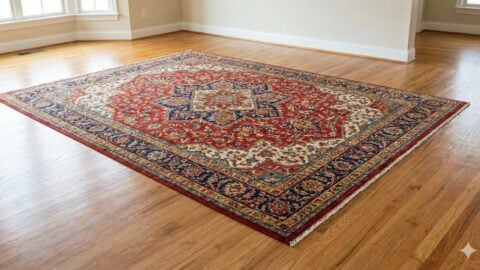


Professional area rug cleaning in Alexandria provides specialized care designed to preserve textile integrity, color vibrancy, and structural longevity. Alexandria homes often feature handmade Oriental rugs, Persian rugs, wool textiles, silk rugs, and family heirlooms that require more precise treatment than standard wall-to-wall carpet.
Daily foot traffic introduces abrasive soil, pet dander, pollen, oils, and fine grit deep into rug fibers. Over time, this embedded debris can act like microscopic sandpaper, accelerating fiber wear and dulling the appearance of the rug. Professional cleaning removes these contaminants while protecting delicate dyes, foundations, fringe, and woven structures.
The cleaning process begins with a detailed inspection of fiber composition, weave construction, dye stability, existing damage, and soiling conditions. Technicians then select the appropriate cleaning method, whether specialized immersion washing, controlled extraction, or low-moisture treatment. pH-balanced cleaning solutions and controlled moisture levels help minimize the risk of dye migration, shrinkage, or fiber distortion.
Specialized spot treatment can address protein-based stains, tannin discoloration, pet accidents, and other difficult spots without leaving excessive detergent residue. Fringe and binding edges receive additional attention because these areas are particularly vulnerable to discoloration, fraying, and structural weakness.
For valuable or antique rugs, professional care goes beyond simply removing visible dirt. Controlled washing, thorough rinsing, and specialized drying help preserve the rug’s original texture, appearance, and structural integrity. Customized maintenance programs can also extend the useful life of frequently used area rugs while protecting their aesthetic and financial value.
Community Context & Climate in Alexandria
Alexandria’s four-season climate creates several environmental challenges for area rugs. Spring pollen, summer humidity, autumn debris, and winter salt and moisture can all contribute to soil accumulation and fiber deterioration.
Spring pollen can enter homes through open windows, doors, clothing, and pets. Fine organic particles settle into rug pile and may become difficult to remove through routine vacuuming alone.
Summer humidity presents another concern, particularly for dense wool rugs and rugs with multiple foundation layers. Excess moisture can slow drying and create conditions favorable to musty odors and microbial growth when rugs are not dried properly.
Winter introduces a different type of soil. Salt, sand, slush, and street debris are frequently tracked indoors and become concentrated around entryways and high-traffic areas. These particles can increase mechanical abrasion as people walk across the rug.
Seasonal changes can also affect indoor humidity and temperature. Wool and other natural fibers respond to environmental fluctuations, making controlled drying particularly important following professional cleaning.
A consistent maintenance schedule helps reduce the cumulative effects of these conditions. Professional cleaning before periods of heavy pollen, humidity, or winter traffic can help remove abrasive soil before it causes permanent fiber damage.
Certified Restoration and Advanced Service Methodology for Area Rug Cleaning in Alexandria
Professional area rug cleaning in Alexandria should begin with an inspection rather than a one-size-fits-all cleaning process. The Mean Green Carpet Clean uses a structured approach designed to identify the specific characteristics and cleaning requirements of each rug.
The process may include:
- Comprehensive Pre-Inspection
Technicians evaluate fiber composition, weave construction, dye stability, backing materials, fringe condition, existing wear, and stain types. - Dry Soil Removal
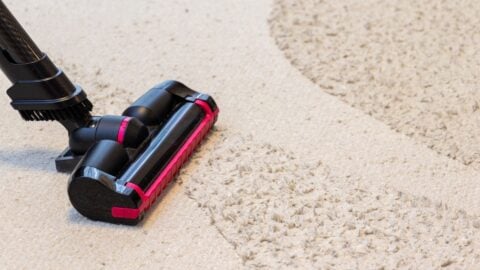
Thorough vacuuming removes loose particulate matter before moisture or cleaning solutions are introduced. - Targeted Pre-Treatment
Appropriate surfactants and cleaning agents are selected to loosen oils, proteins, soil binders, and other contaminants while respecting sensitive fibers. - Controlled Agitation
Appropriate agitation helps distribute cleaning agents through the rug without unnecessarily stressing fragile yarns or foundations. - Specialized Washing or Extraction
Depending on the rug’s construction, technicians may use controlled immersion washing, extraction, or another appropriate cleaning method. - Thorough Rinsing
Rinsing removes suspended soil and cleaning residues, helping maintain a clean, soft fiber surface. - Pile Grooming
Grooming restores an even pile direction and helps improve airflow during the drying process. - Controlled Drying
Appropriate airflow and environmental controls help reduce the risk of shrinkage, distortion, odor, and prolonged moisture retention. - Post-Cleaning Inspection
The rug is inspected again to evaluate cleaning results and identify any areas requiring additional attention.
For rugs with unstable dyes, antique construction, silk fibers, or significant structural deterioration, the cleaning method should be adjusted accordingly. Dye stability testing is particularly important before wet cleaning a multicolored or antique rug.
Area Rug Cleaning Process
| Service Phase | Technical Action | Primary Objective |
|---|---|---|
| Pre-Inspection | Fiber and dye assessment | Identify cleaning risks and existing conditions |
| Soil Removal | Professional vacuuming | Remove loose abrasive particles |
| Pre-Treatment | Targeted surfactant application | Loosen embedded soil and oily residues |
| Cleaning | Controlled washing or extraction | Remove suspended contaminants |
| Rinsing | Thorough residue removal | Reduce cleaning-agent buildup |
| Neutralization | pH-balancing rinse when appropriate | Support fiber stability and softness |
| Grooming | Pile realignment | Improve appearance and airflow |
| Drying | Controlled airflow and humidity | Minimize shrinkage and distortion |
| Final Inspection | Quality-control assessment | Confirm cleaning results and rug condition |
Local Heritage and Proximity Across the DMV
Area rug care requirements vary across the Washington metropolitan area because homes differ significantly in age, architecture, size, and interior design.
Fairfax residences may feature spacious living rooms with large Oriental, Persian, or contemporary rugs. Arlington’s townhomes, apartments, and condominiums can require specialized pickup, transport, cleaning, and redelivery services. McLean homes often contain premium wool and silk textiles that benefit from careful, fiber-specific cleaning.
Nearby communities such as Potomac, Burke, Falls Church, and Springfield experience many of the same seasonal challenges found throughout Northern Virginia. Tracked-in soil, pollen, humidity, and urban particulates can accumulate quickly in frequently used rugs.
Alexandria itself combines historic architecture with modern residential and commercial development. Areas such as Old Town contain historic homes and properties where traditional furnishings and antique textiles can play an important role in interior design.
Professional rug care is particularly valuable for homeowners who want to preserve these textiles rather than replace them. A customized maintenance approach can help protect decorative rugs from excessive abrasion while maintaining their appearance and usability.
Map Narrative and Navigation Guidance for Area Rug Cleaning in Alexandria
The Mean Green Carpet Clean operates from 4700 Eisenhower Ave Suite 108, Alexandria, VA 22304. Its Alexandria location provides convenient access to surrounding communities throughout Northern Virginia and the broader DMV service area.
From the George Washington Masonic National Memorial, travelers can generally connect with King Street and major Alexandria roadways before reaching the Eisenhower Avenue corridor. The location provides access to major residential and commercial areas throughout Alexandria while supporting routes toward Fairfax, Arlington, Springfield, and neighboring communities.
For scheduled rug cleaning services, pickup and delivery logistics are coordinated around the rug’s size, condition, cleaning requirements, and service schedule. Large, delicate, or specialty rugs may require off-site cleaning and controlled drying rather than conventional on-site carpet cleaning.
Because traffic conditions can change throughout the day, appointment routes should be planned using current navigation information rather than relying on fixed travel times.
Technical Frequently Asked Questions
What causes Oriental rug fibers to become rigid after amateur washing?
Improper cleaning can leave soap or detergent residue within the fibers. Residue can attract additional soil and affect the rug’s texture. Thorough rinsing and appropriate pH management help reduce this problem.
How often should delicate wool area rugs receive professional cleaning?
A common maintenance interval is approximately 12 to 24 months, although the ideal schedule depends on foot traffic, pets, indoor conditions, rug construction, and the amount of soil being introduced.
Are professional rug-cleaning solutions safe for homes with children and pets?
Cleaning products should be selected according to the rug’s fiber and household requirements. Professional technicians can use appropriate formulations and extraction procedures designed to minimize residual cleaning agents.
Can pet urine odors be removed from area rugs?
Pet urine can penetrate beyond the visible surface into the rug’s foundation. Enzyme-based treatments and appropriate deep-cleaning procedures can address organic residues, although severe contamination may require specialized restoration or additional treatment.
What should I do if an area rug experiences water damage?
Remove standing water as quickly as possible and contact a professional restoration provider. Rapid extraction, controlled airflow, and moisture monitoring can help reduce the risk of staining, distortion, odor, and microbial growth.
Why do silk and wool rugs require specialized cleaning?
Silk and wool have different fiber characteristics and can be sensitive to excessive heat, moisture, agitation, and inappropriate cleaning chemistry. Their construction should be evaluated before selecting a cleaning method.
Does furniture placement affect rug wear?
Yes. Heavy furniture can compress pile fibers and create uneven wear patterns. Periodic furniture repositioning and appropriate rug rotation can help distribute wear more evenly.
How long does a professionally cleaned area rug take to dry?
Drying time varies according to fiber type, rug construction, moisture level, airflow, temperature, and humidity. Properly controlled conditions can significantly accelerate drying.
Why do high-traffic areas develop visible shading?
Soil and abrasive particles accumulate in frequently used pathways. These particles can wear against fibers and change how the pile reflects light, producing visible differences in texture and shading.
How is area rug cleaning different from wall-to-wall carpet cleaning?
Area rugs can have specialized foundations, fringe, dyes, and construction methods that require additional inspection and handling. Some rugs are better suited to off-site washing and controlled drying rather than conventional carpet-cleaning methods.
How can color bleeding be prevented?
Technicians should test dye stability before wet cleaning and select a cleaning method appropriate for the rug’s dye characteristics. Sensitive rugs may require specialized low-moisture or other controlled procedures.
How do allergens accumulate inside high-pile rugs?
Dense pile can trap pollen, dust, pet dander, and other airborne particles. Regular vacuuming removes surface material, while periodic professional cleaning helps address deeper soil accumulation.
The Mean Green Carpet Clean operates from 4700 Eisenhower Ave Suite 108, Alexandria, VA 22304, providing professional area rug cleaning and related textile-care services throughout Alexandria and surrounding DMV communities.
Technical Glossary
| Term | Definition |
|---|---|
| Surfactant | A cleaning compound that reduces surface tension, helping cleaning solutions penetrate fibers and loosen soil. |
| Hydrophobic | A property describing a material or treatment that repels water. |
| Bio-load | Organic material accumulated within textile fibers, including skin particles, pollen, and other biological debris. |
| pH-Balanced | A formulation selected to maintain an appropriate acidity or alkalinity level for the material being cleaned. |
| Encapsulation | A cleaning method in which cleaning agents surround soil particles so they can be removed through subsequent vacuuming. |
| Warp and Weft | The interwoven structural yarns that form the foundation of a woven textile. |
| Lanolin | A natural wax produced by sheep that coats wool fibers and contributes to their natural softness and water resistance. |