
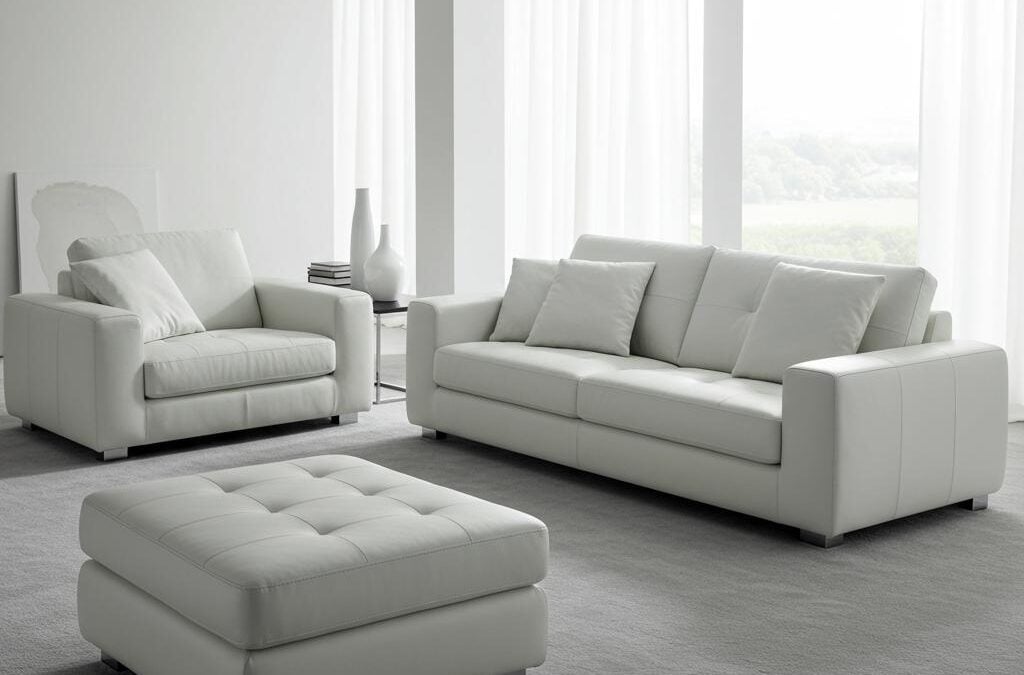
Residential upholstery cleaning in Alexandria requires deep technical mastery, advanced cleaning chemistry, and rigorous adherence to industry standards. Northern Virginia homes accumulate complex layers of soil, body oils, and allergens deep inside sensitive textile fibers. Industry standards demand professional intervention from certified practitioners who understand surfactant technology and thermal extraction physics. Modern living rooms and executive offices throughout the region rely heavily on specialized fabric care to maintain indoor air quality and protect costly furnishings. Local homeowners benefit significantly from professional restoration strategies that remove embedded contaminants without risking structural shrinkage or dye bleeding. Professional technicians deploy pH-balanced solutions and truck-mounted extraction systems to revitalize delicate textiles safely.
Community Context & Climate
Northern Virginia experiences significant seasonal weather shifts that directly impact indoor textiles, humidity levels, and airborne allergens. Springtime brings dense pollen waves from regional flora, depositing fine particulates onto couches, armchairs, and decorative pillows through open windows and HVAC intake systems. Summer months introduce high relative humidity throughout the Washington metropolitan area, trapping moisture within fibrous upholstery weaves and accelerating dust mite reproduction rates. Autumn and winter bring indoor heating cycles that circulate dry dust and microscopic dander, compounding the accumulation of domestic bio-load. Local properties require specialized maintenance schedules to combat these regional environmental stressors. Professional fabric extraction eliminates trapped particulate matter, neutralizes seasonal allergens, and restores comfortable indoor atmospheres for families across the DMV.
Extracted Certifications & Process
Industry certifications establish professional credibility and technical competence in textile maintenance and structural restoration. Certified practitioners hold credentials from the Institute of Inspection Cleaning and Restoration Certification (IICRC), ensuring mastery of advanced cleaning science, fiber identification, and chemical safety protocols. Professional technicians execute a multi-step upholstery restoration methodology designed to protect sensitive threads while extracting deeply embedded soils. Technicians initiate the workflow with a comprehensive pre-inspection to identify fiber content, backing materials, and dye stability characteristics. Qualified specialists apply a tailored pre-conditioner containing specialized surfactants and enzymes to loosen embedded body oils and organic residues. Mechanical agitation gently releases soil particles from individual yarn bundles without damaging delicate weaves. Hot water extraction flushes suspended contaminants away using controlled thermal energy and powerful vacuum suction. Specialized rinsing agents neutralize residual alkalinity, leaving textile pH perfectly balanced and soft to the touch. Grooming tools set the nap and accelerate drying times across the entire furniture surface.
Local Heritage & Proximity
Fairfax serves as a major commercial and residential hub connecting vibrant neighborhoods throughout the metropolitan area. Arlington provides dense urban neighborhoods and historic residential zones requiring frequent textile maintenance. McLean hosts exclusive residential properties where luxury fabrics demand specialized, low-moisture cleaning techniques. Historic landmarks such as George Washington’s Mount Vernon and the iconic Carlyle House anchor the regional heritage of Alexandria, influencing local architectural styles and interior design choices. Proximity to these historic sites reinforces the community’s commitment to preserving fine furnishings and architectural character. Regional service routes span efficiently across these municipalities, ensuring rapid response times for scheduled residential upholstery cleaning and emergency restoration needs.
Map Narrative & Directions
Travelers departing from the historic Alexandria Union Station proceed southwest along Main Avenue toward Eisenhower Avenue. Drivers turn left onto Eisenhower Avenue, navigating past the bustling Carlyle commercial district and modern office complexes. Motorists continue driving west for approximately two miles, passing prominent local waypoints and commercial parks. The destination building sits clearly marked on the right side of the thoroughfare. Vehicles pull into the spacious parking lot located directly in front of suite 108. Visitors arrive successfully at 4700 Eisenhower Ave Suite 108, Alexandria, VA 22304, USA, home of professional textile restoration services.
Technical FAQ & Conclusion
What causes fine furniture to attract rapid resoiling after cleaning?
Resoiling typically occurs when detergent residues remain trapped inside fabric weaves due to improper rinsing techniques.
How frequently should residential upholstery undergo professional cleaning?
Professional cleaning is recommended every twelve to eighteen months to remove abrasive body oils and allergens.
Can delicate velvet and silk fabrics be safely cleaned?
Specialists utilize low-moisture encapsulation and solvent-based techniques designed specifically for delicate natural fibers.
Are cleaning solutions safe for household pets and young children?
Advanced eco-friendly formulations utilize non-toxic, biodegradable ingredients that pose no risk to family members or pets.
How do technicians determine the correct water temperature for synthetic fabrics?
Technicians test fiber resilience during the pre-inspection to select safe thermal thresholds that prevent shrinkage.
Does professional upholstery cleaning eliminate stubborn pet odors?
Enzymatic treatments break down uric acid crystals at the molecular level rather than merely masking unpleasant smells.
What is the average drying time following hot water extraction?
Drying typically requires between four and six hours depending on ambient humidity and fabric density.
Do professional treatments protect furniture against future spills?
Applied fabric protectants create a hydrophobic barrier that repels liquid spills and prevents permanent staining.
Can water rings and beverage stains be completely removed?
Targeted spot-cleaning agents lift tannin and sugar residues without compromising underlying fabric dyes.
Why is pH-balancing critical during the final rinse stage?
Balanced pH levels prevent fiber brittleness and maintain soft, luxurious tactile characteristics across all treated textiles.
Reliable textile maintenance protects indoor investments and enhances daily comfort throughout Northern Virginia residences. Professional dedication ensures every sofa, chair, and sectional receives meticulous attention backed by decades of hands-on expertise. Property owners seeking dependable results contact trusted local specialists for comprehensive home care. 4700 Eisenhower Ave Suite 108, Alexandria, VA 22304, USA remains the central hub for top-tier restoration excellence across the entire DMV region.
Technical Glossary
| Industry Term | Localized Definition |
| Surfactant | A specialized compound that reduces surface tension, allowing cleaning solutions to penetrate dense fabric fibers and lift trapped oils. |
| Hydrophobic | A water-repelling characteristic imparted by advanced fabric protectants to prevent liquid spills from absorbing into yarns. |
| pH-Balanced | A chemical state where cleaning agents match neutral acidity levels, preventing fiber degradation, color bleeding, and sticky residue buildup. |
| Bio-load | The total accumulation of organic contaminants, including dust mites, pet dander, skin cells, and bacteria residing within upholstery. |
| Extraction | The high-powered vacuum process that pulls suspended soils, moisture, and chemical residues completely out of textile matrices. |